Federal-grade credit restoration for working families across Florida. We hit the creditor and the federal regulator direct, in week one — and we don’t stop until the line on your report is clean.
i. The fileWhere every case starts.
ii. The liftThe score, line by line.
iii. The outcomeWhat a clean file unlocks.
What we actually do
Most credit-repair shops bounce paper at the bureaus and wait. We go direct to the source — creditor and collector — and we battle back and forth, week after week, until the line on your report is clean. Two federal channels, statutory clocks shorter than a single bureau cycle, and the kind of persistence a full law firm won’t bill the hours for.
Certified-mail debt-validation letters sent directly to the collector under FDCPA §809. They have to produce a signed contract, a chain of assignment, and an itemized accounting — or stop collecting and stop reporting.
Most junk-debt buyers can’t. Account deletes.
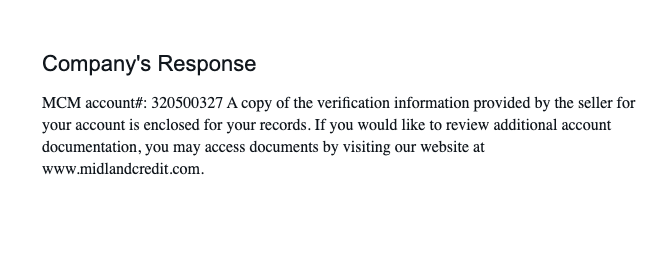
Filed in parallel with the demand letters, routed through the federal regulator that supervises the creditor or collector. The complaint goes on the record. The company has 15 days to respond — half a bureau cycle.
Lawyer-grade pressure, no lawyer fee.
When the first two don’t close it out, we follow with FCRA §611(a)(7) Method-of-Verification demands and Florida’s 4–5 year statute of limitations on consumer debt. Expired collections come off; "verified" items get audited.
The finishers, used when needed.
Every line of the creditor’s paperwork — and every step of how they handled your account — gets audited. Any discrepancy in their records, or any FCRA or FDCPA rule they broke along the way, becomes leverage. Wrong dates. Wrong amounts. Missing chain of assignment. Improper re-aging. Continued collection after dispute. We find it, and we use it.
“The score isn’t the problem. The score is the receipt. We work the paperwork that produced it.” — Kali
Receipts, not promises
This is what an active file looks like the first week we take it on. Numbers below are from a real client engagement, May 2026.
The principal
Before Kali Credit Co existed, there was a 510 Equifax score, two authorized-user disasters, and 11 wrong addresses on a single bureau file. That report — her report — is now the playbook.
She reads the FCRA the way a tax attorney reads the IRS code: slowly, with the case law open beside it. Section 609. Section 611(a)(7). Section 623. The exact provisions that move a needle when a generic dispute letter doesn’t.
Kali works by referral only. The work is private, the correspondence is in writing, and the timeline is honest — the first round of deletions typically lands inside the first month.
Begin a private intake
If your situation isn’t one we can move, we’ll tell you in the first call. No retainer until we’ve read your file and named the mechanism that fits it.